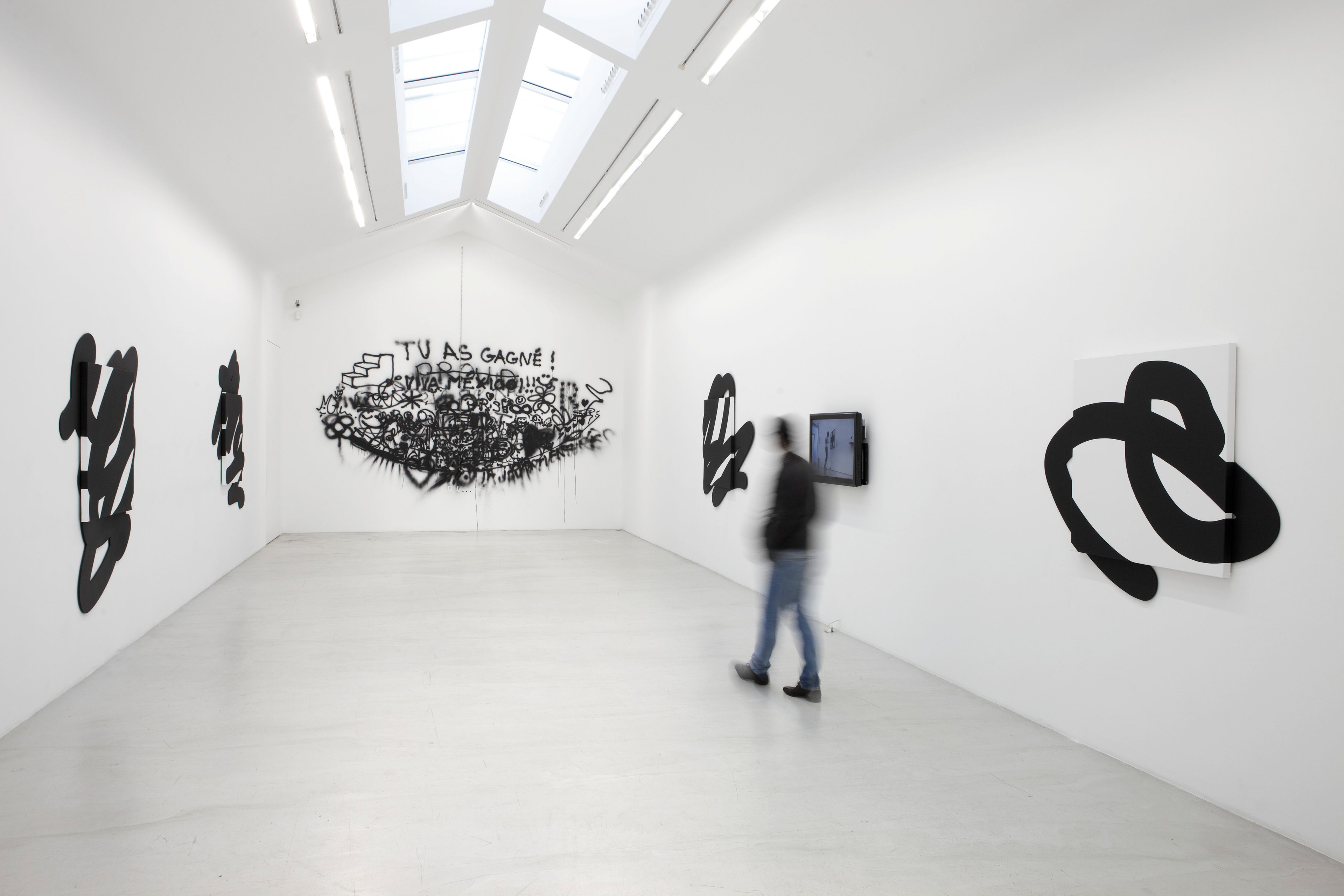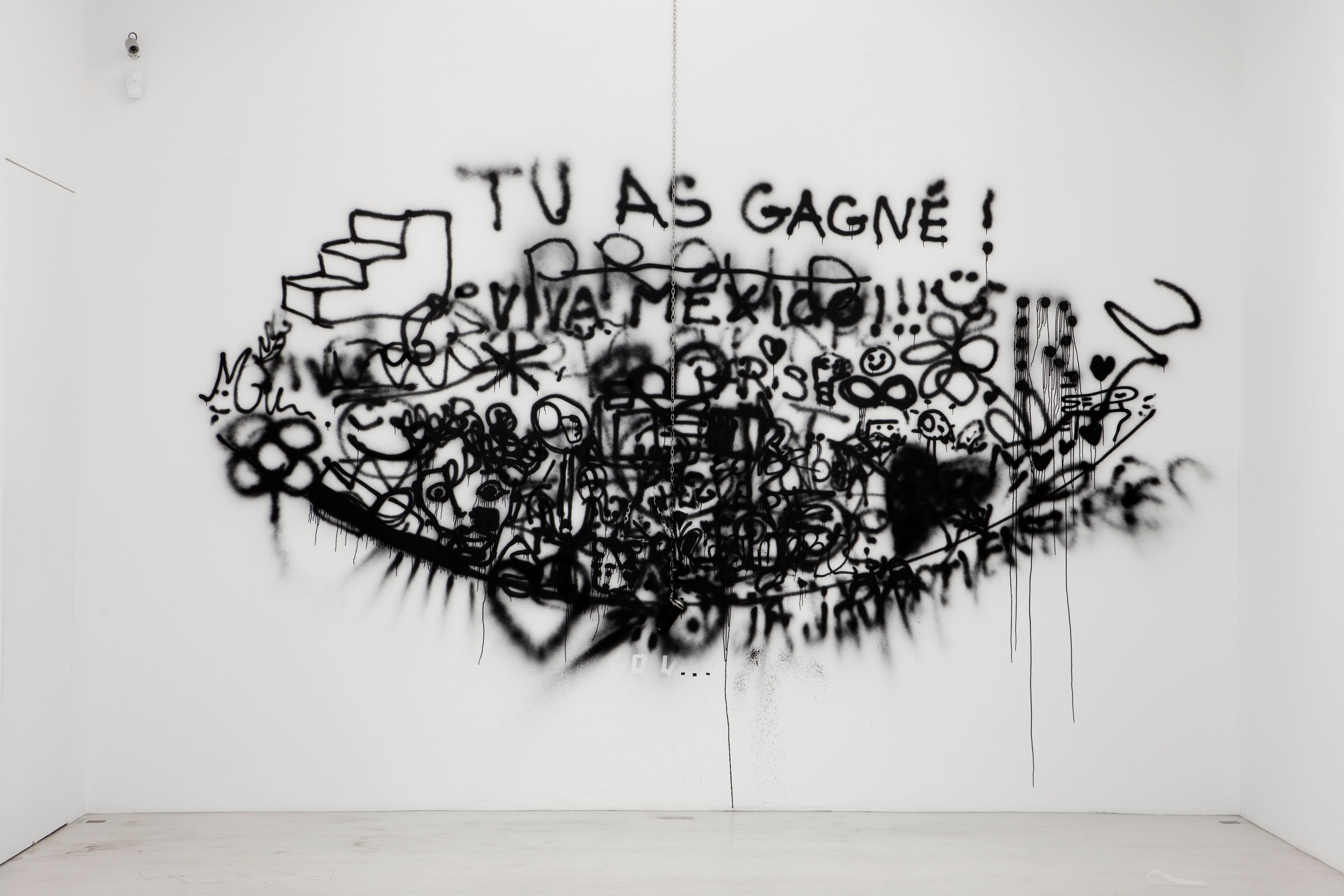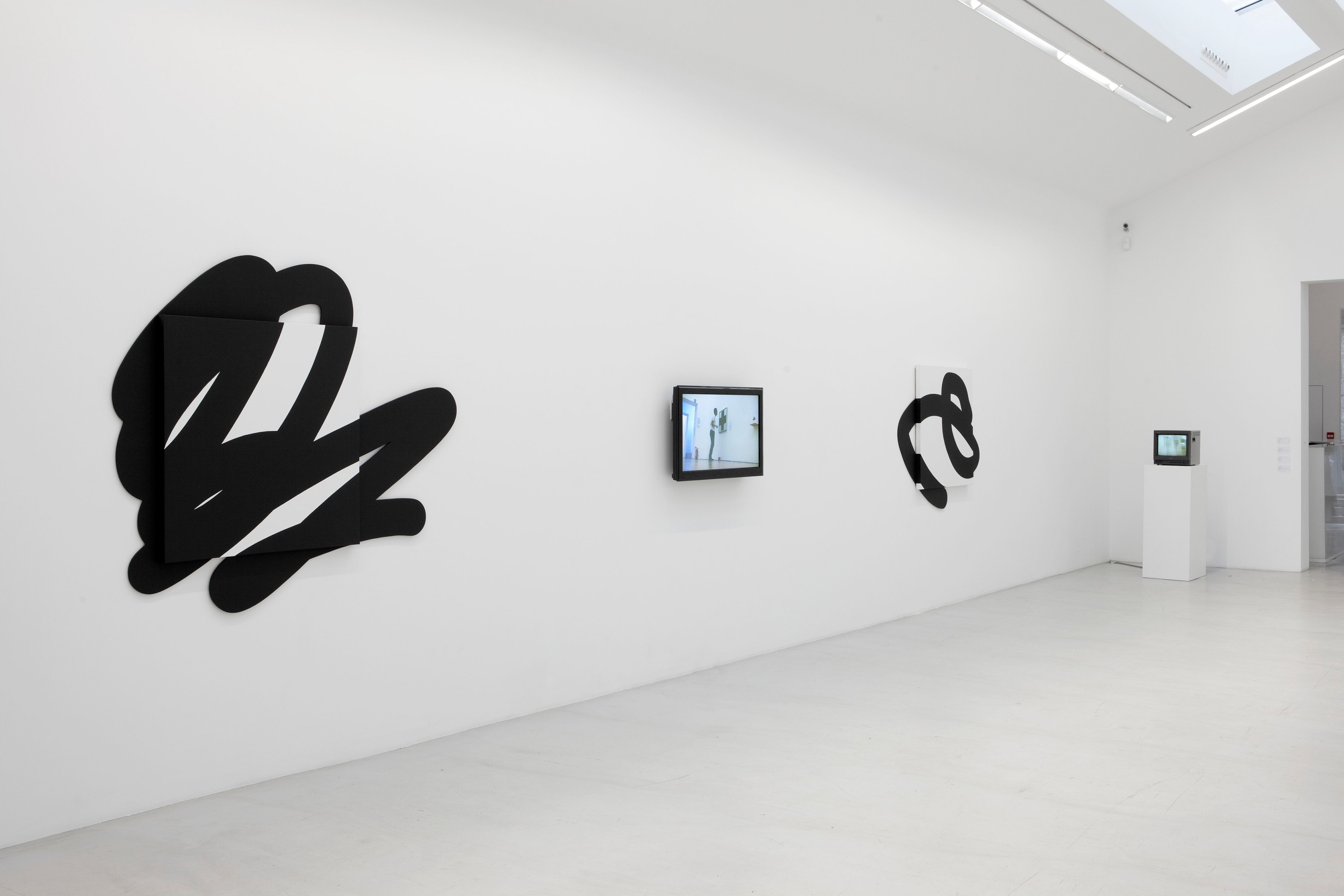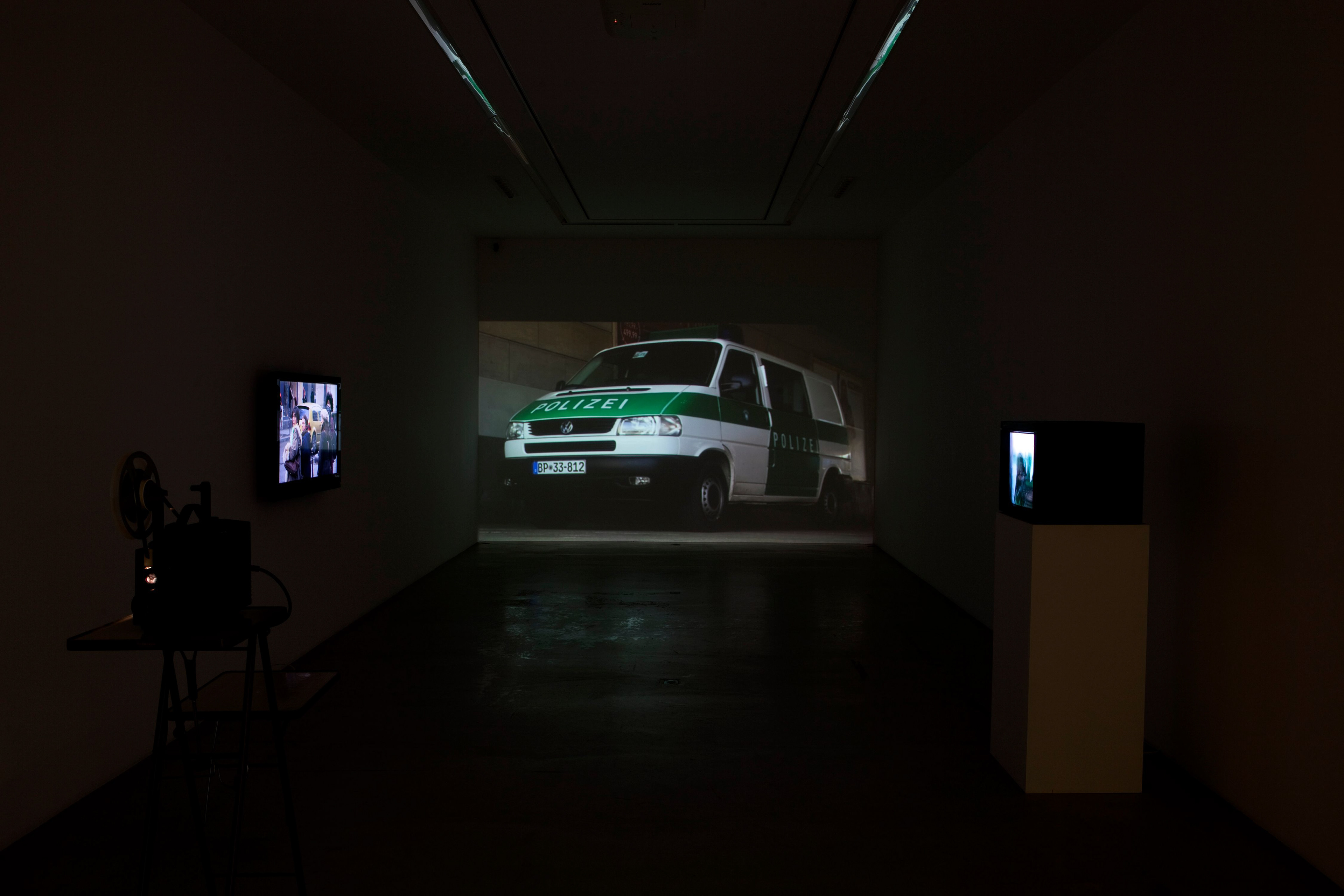
Galerie Perrotin presents the solo exhibition by Iván Argote, Caliente, from January 8 to February 12, 2011, featuring several previously unseen works.
Iván Argote does not hesitate to capture situations that appear insignificant or trivial, which he then transposes into visually surreal dispositifs through film, photography, and painting (he mimics and flirts with fashion models on glossy paper in All My Girlfriends, 2007; The Pigeon, 2010, disrupts the calm and habits of Parisian pigeons).
Like Claude Closky and Guillaume Paris, who were his teachers at the École des Beaux-Arts de Paris, or artists such as Bas Jan Ader and John Baldessari, Iván Argote reveals a poetics of the everyday that might initially escape our notice.
Two video-performances were produced within the permanent collections of the MNAM/Centre Pompidou. Through a Dada-like gesture, he tags Mondrian paintings (which are on glass) (New York City, 1942, and Composition in Red, Blue and White II, 1937) at the MNAM in Retouche, 2008, and dances in front of Malevich’s painting Black Cross, 1915, to the sound of a portable radio in Feeling, 2009.
In the object-paintings of the Mamarracho series (2011), Iván Argote inscribes doodles made on a computer and enlarged a thousand times. When the line extends beyond the frame, it is transformed into a sculpture.
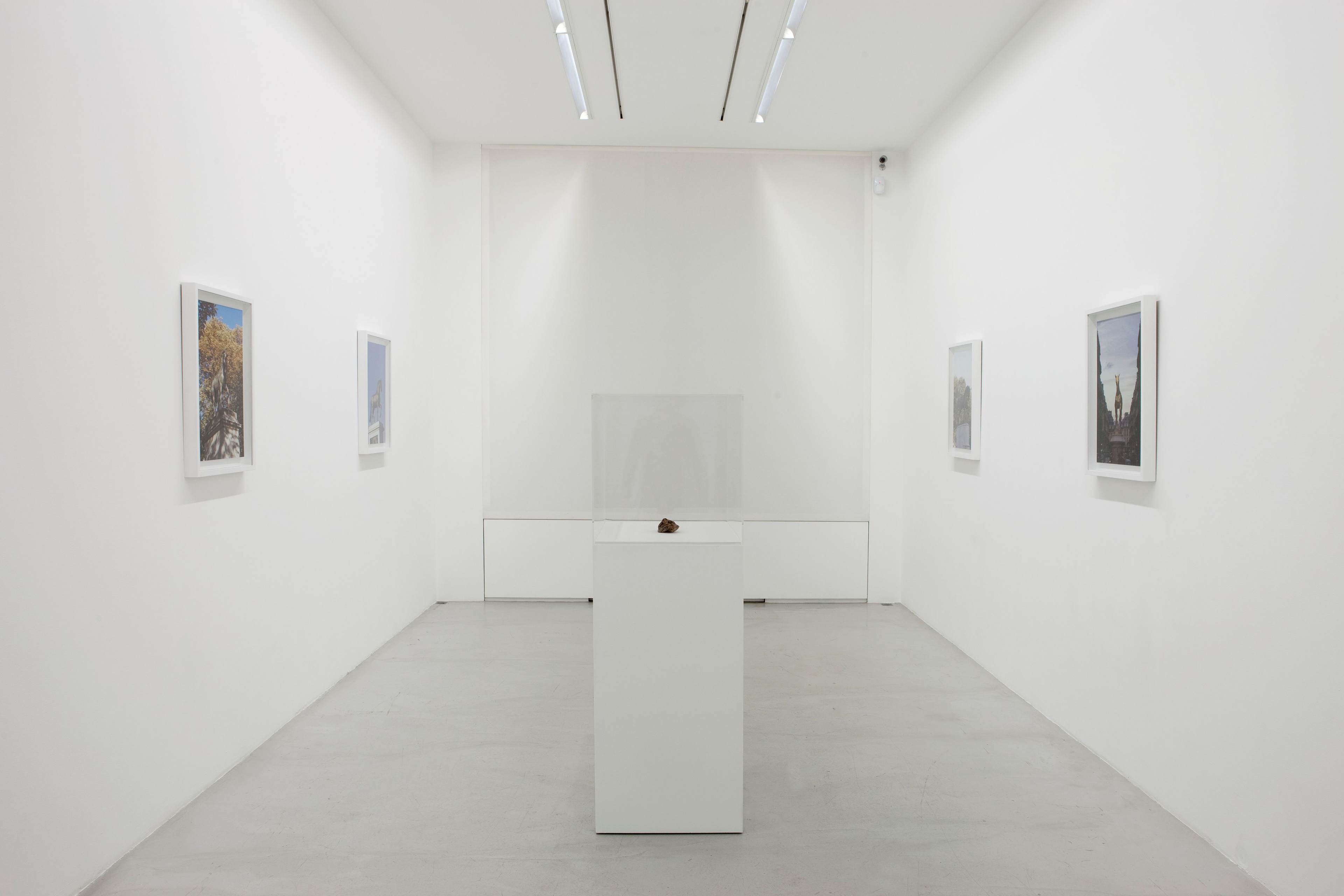
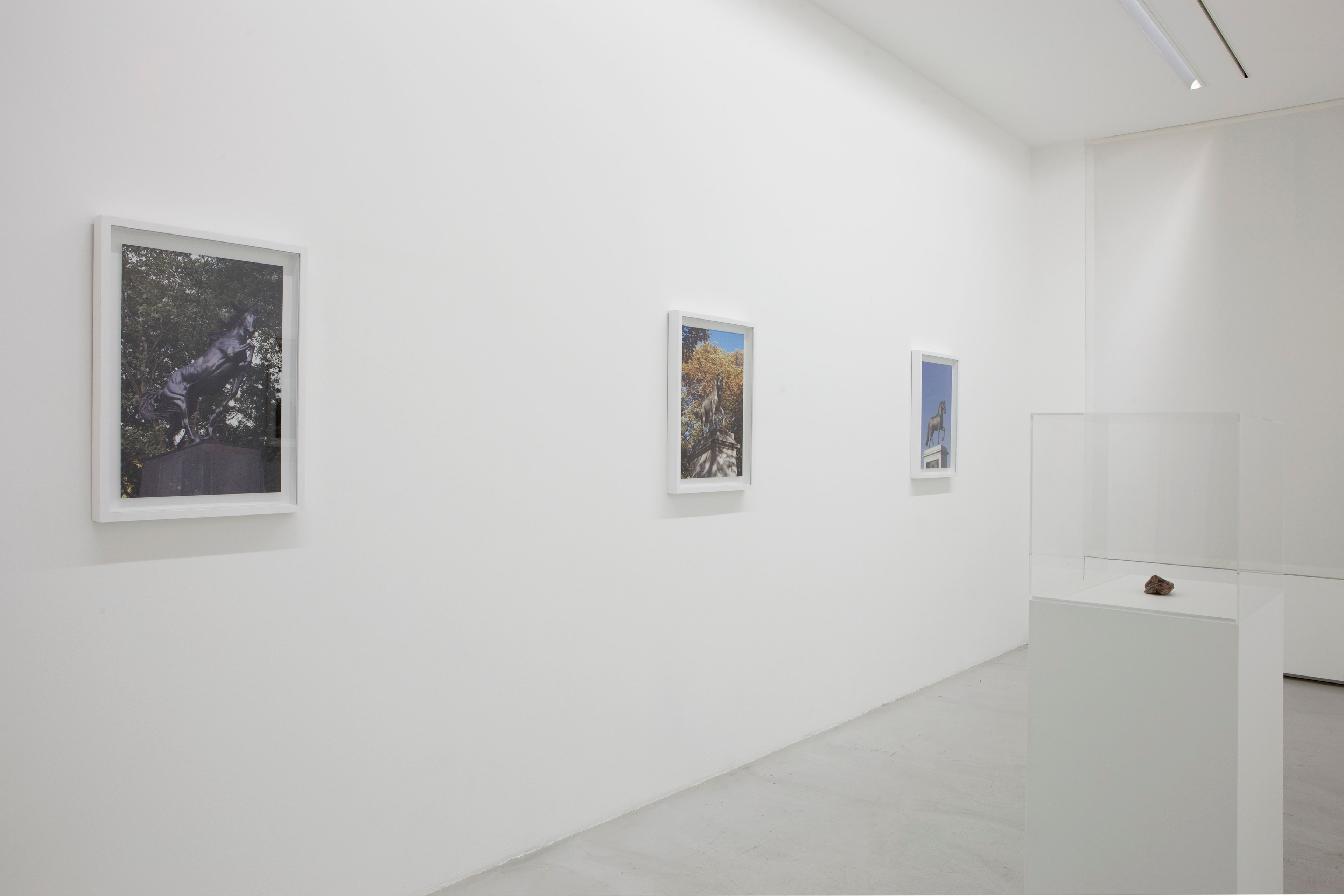
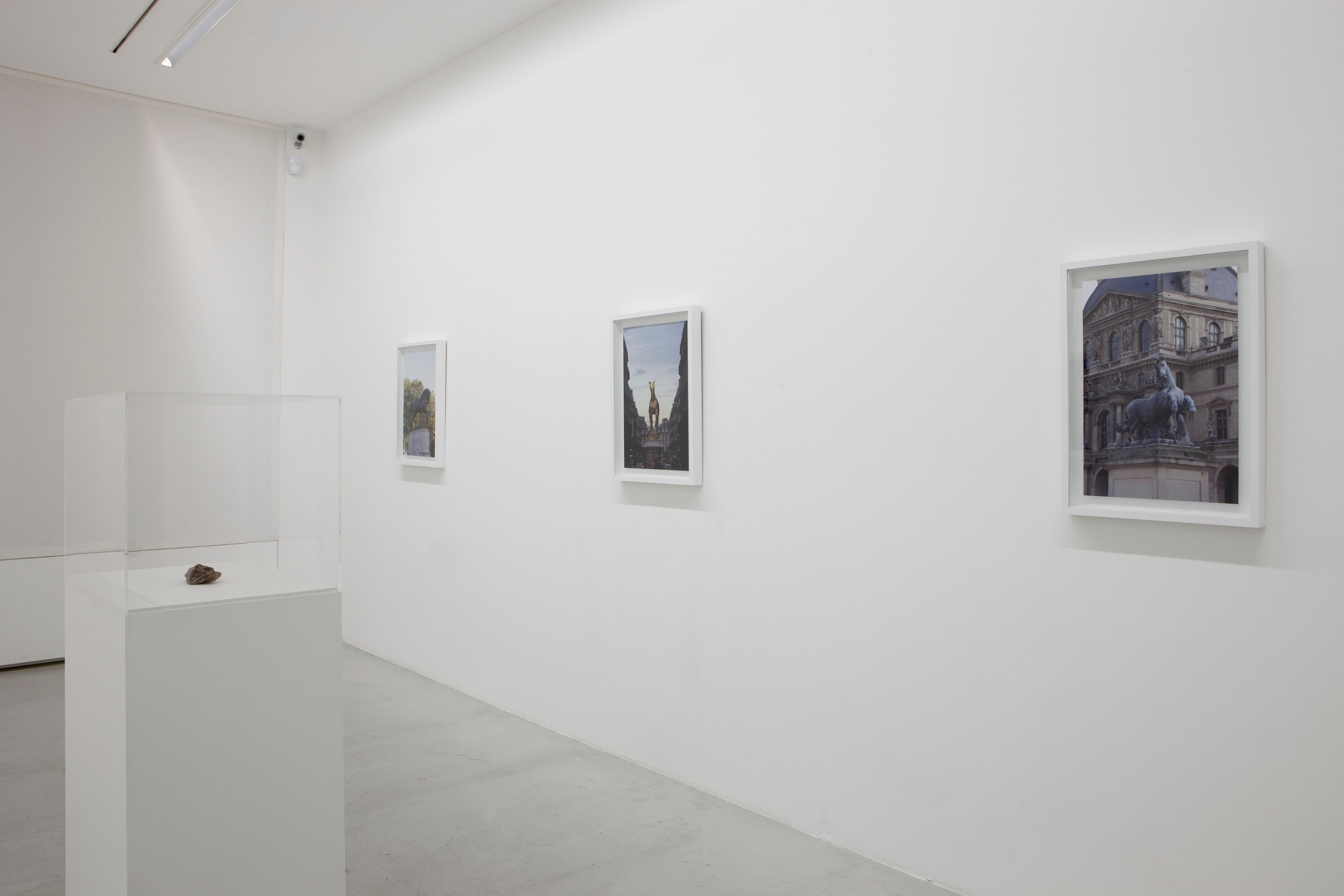
The equestrian statues in public spaces in Paris and New York from the Horses series show horses stripped of their famous riders, suggesting a displacement of the signs and functions of these public monuments: “they are there to remind us of our belonging to a nation, a history, a tradition. By erasing the heroes, we are left simply with images of horses in a wild state, in rather mannered, even kitsch, poses.”
The artist even recreated in granite the missing nose of the sculpture of the Great Sphinx of Tanis held at the Louvre, Sphinx (1750 BC). A symbol of power successively appropriated by different kings, from Amenemhat II to Shoshenq I, the chimera is now disfigured, and Iván Argote therefore proposes to restore it.
Finally, Iván Argote presents a scripted family film, History of Humanity, 2011, shot on Super 8, in which his father, mother, sister, and nephew improvise roles previously assigned to them by the artist in the form of choreographed allegories referring to historical moments: the emergence of Homo sapiens, the first agricultural societies, the first civilizations, the domination of peoples by other peoples. Two video-performances that divert from the format of the family film, Birthday, 2009, and We Are All in the Bus, 2009, are also on view.
Iván Argote confronts the vanity of our existences with the grandeur of History, drawing on the critical and allegorical power of situations that appear, at first glance, entirely ordinary.